Already bought the summit? Click below to access your dashboard
Access The Summit
Welcome to The PDA Space Summit 2026
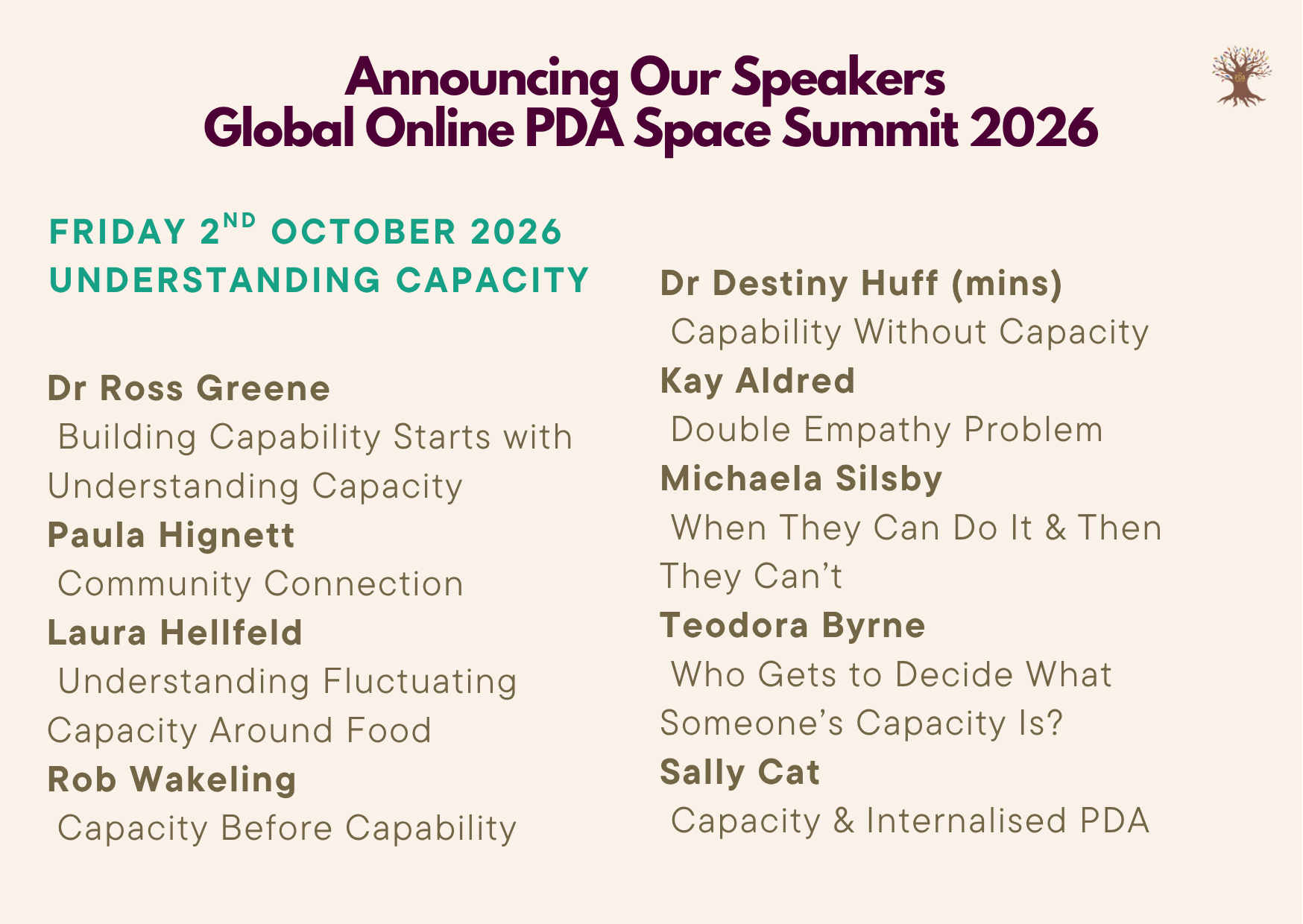
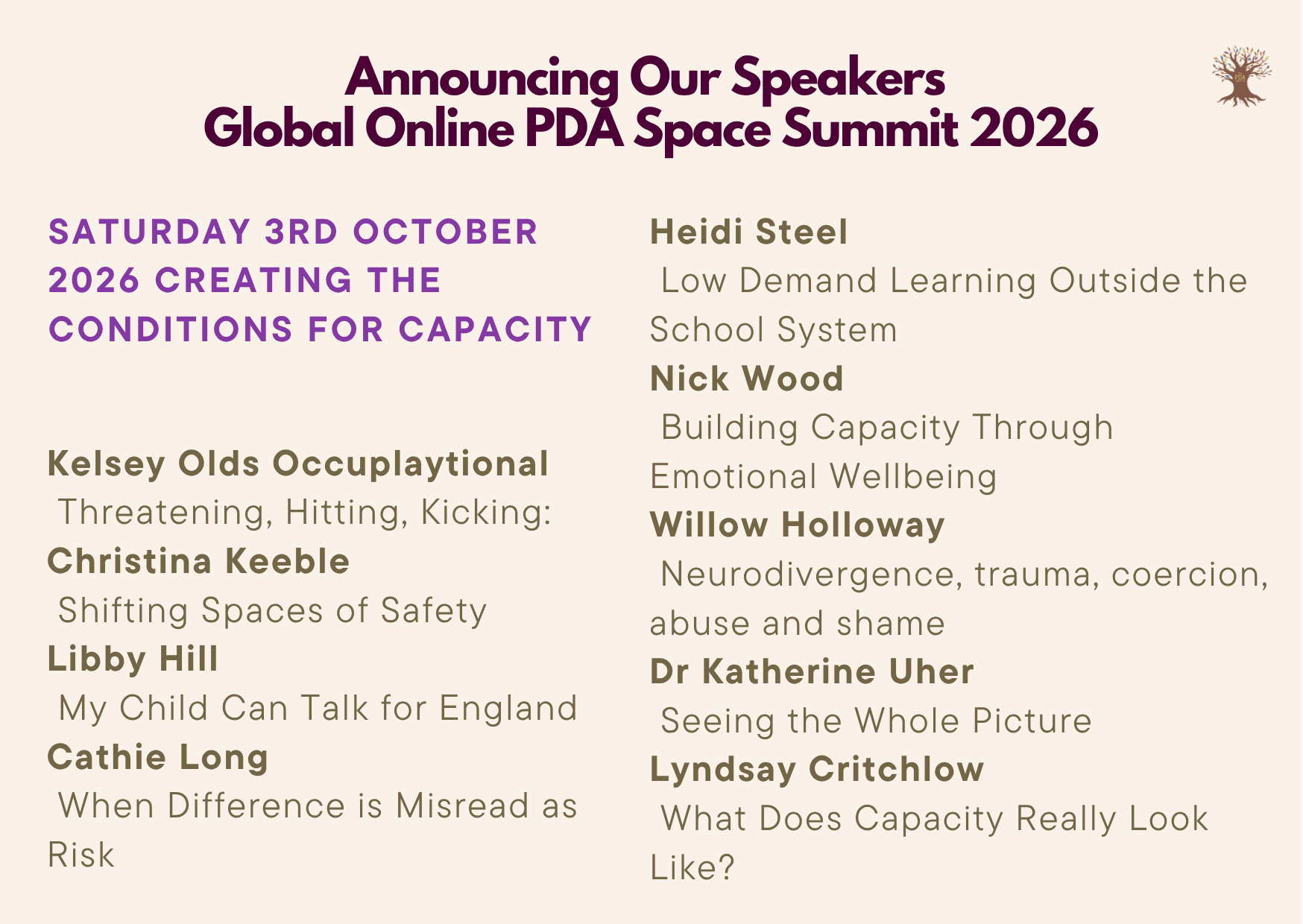
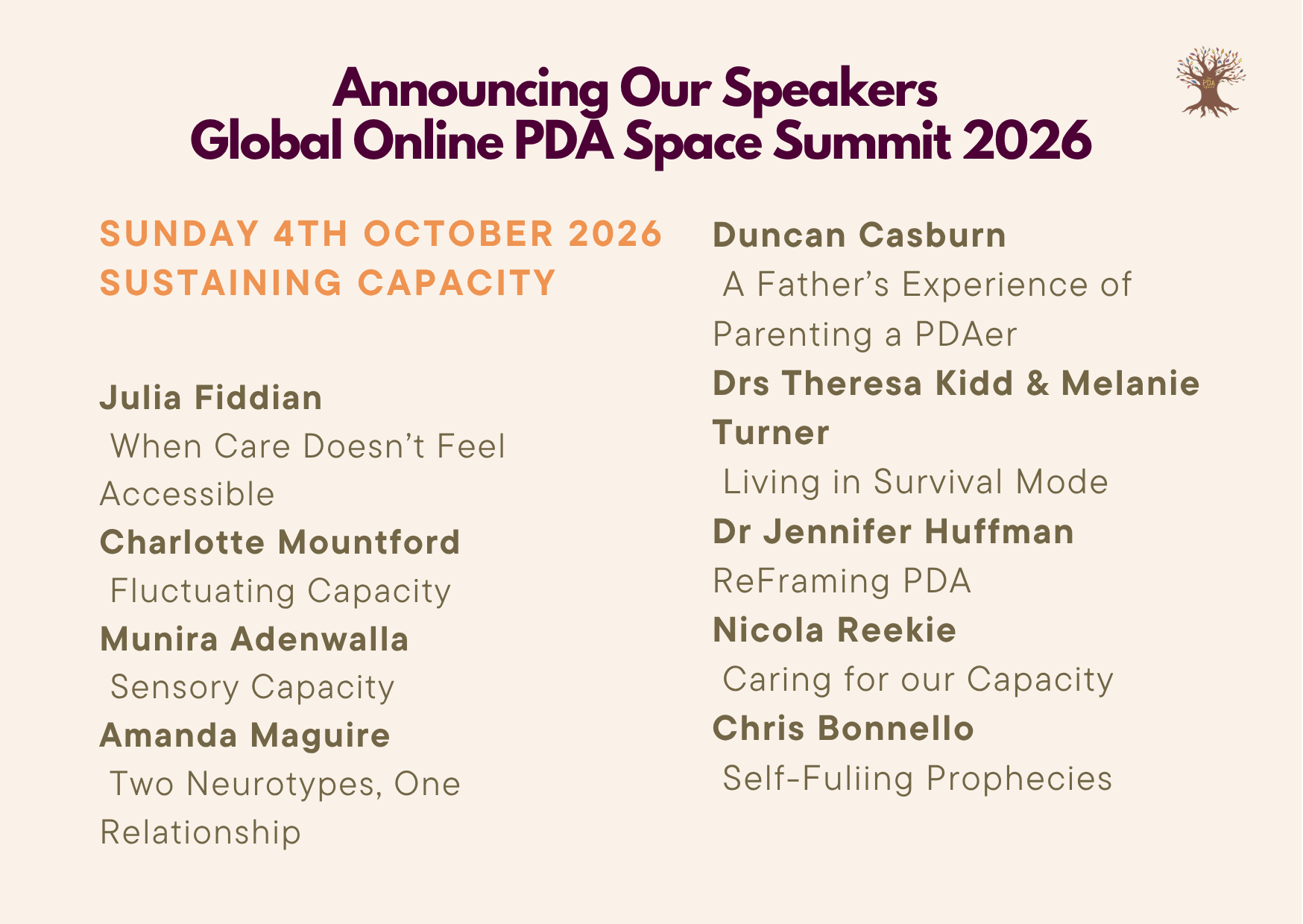
27 webinars from voices across the PDA community, exploring this year’s theme of Capacity & Capability.
This is my invitation to you.
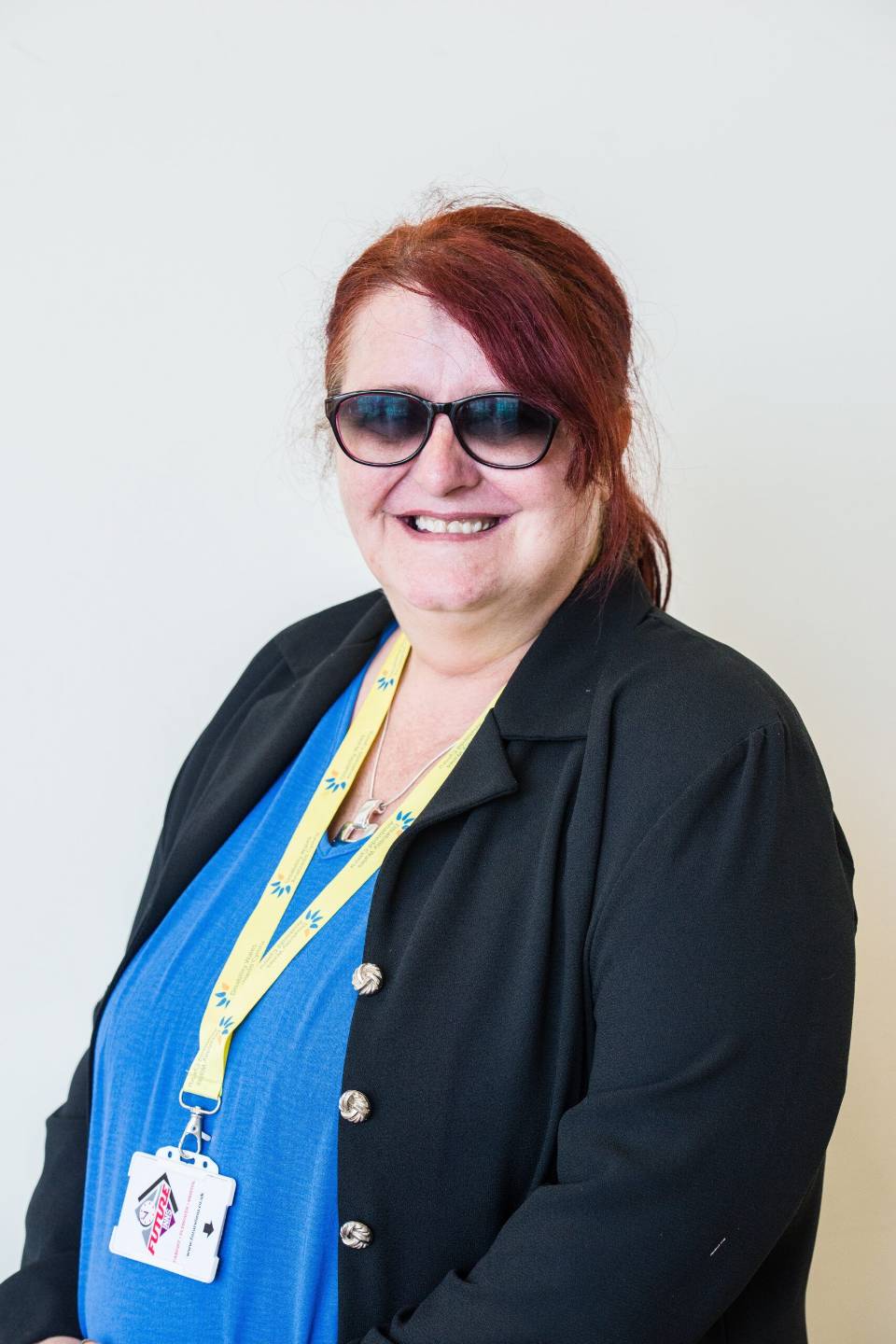
Watch my personalised message.
Laura Hellfeld
Why They Can Eat It One Day and Not the Next: Understanding Fluctuating Capacity Around Food
More about Laura and their webinar

Munira Adenwalla
Sensory Capacity: Honouring Needs, Preserving Energy, & Supporting Wellbeing
More about Munira and her webinar
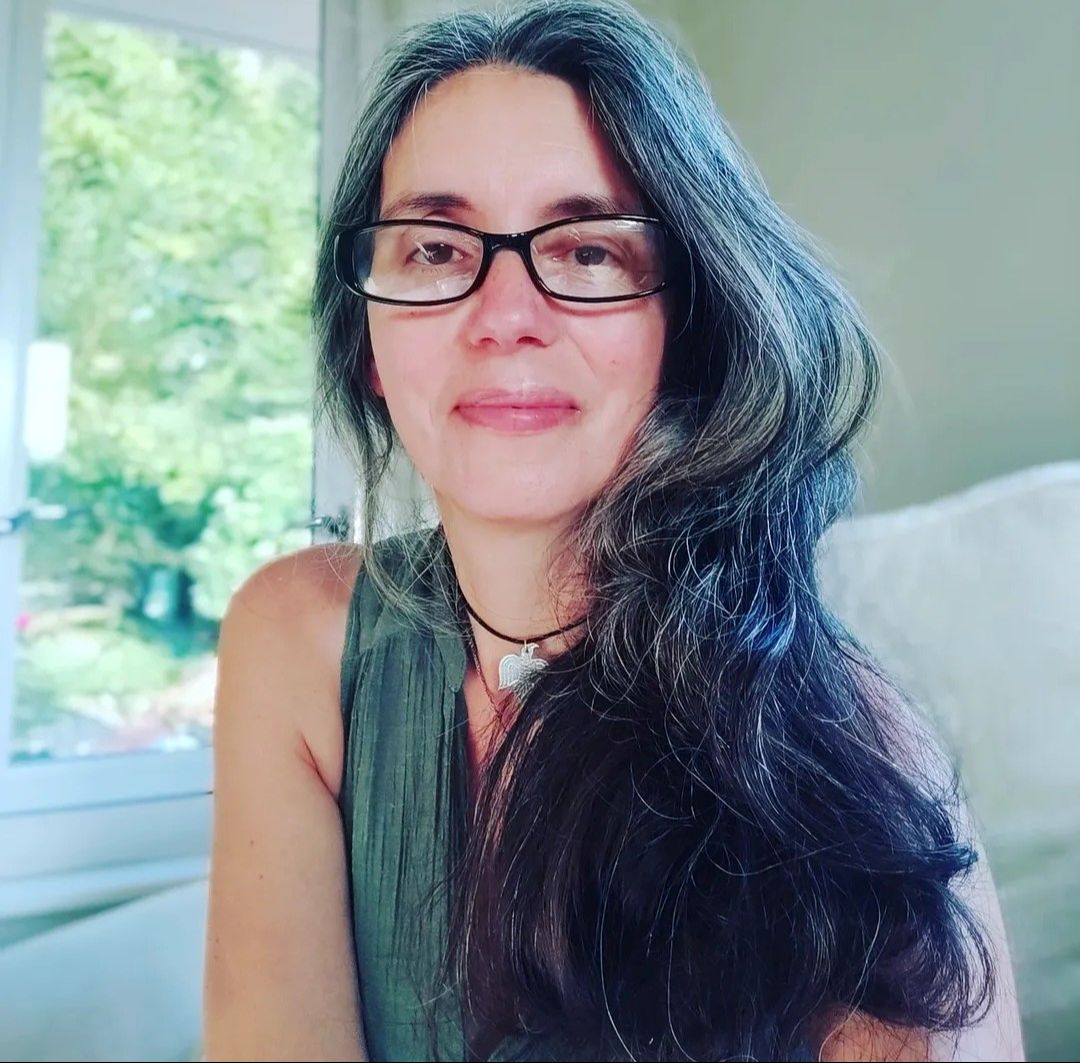
Kay Aldred
The Embodied Double Empathy Problem
More about Kay and her webinar
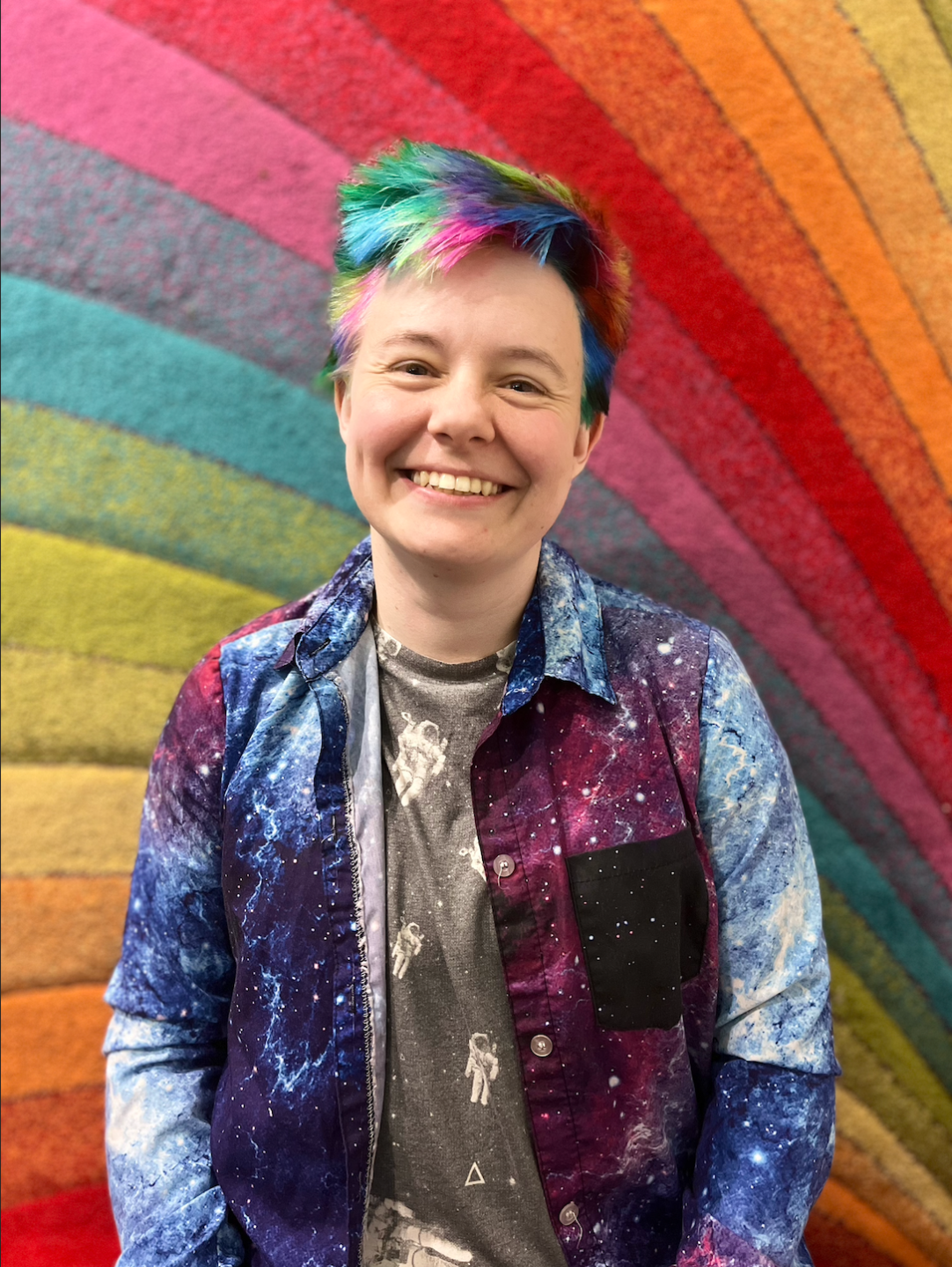
Kelsie 'Mick' Olds
Threatening, Hitting, Kicking: A Reflection of Conduct or Capacity?
More about Mick and their webinar
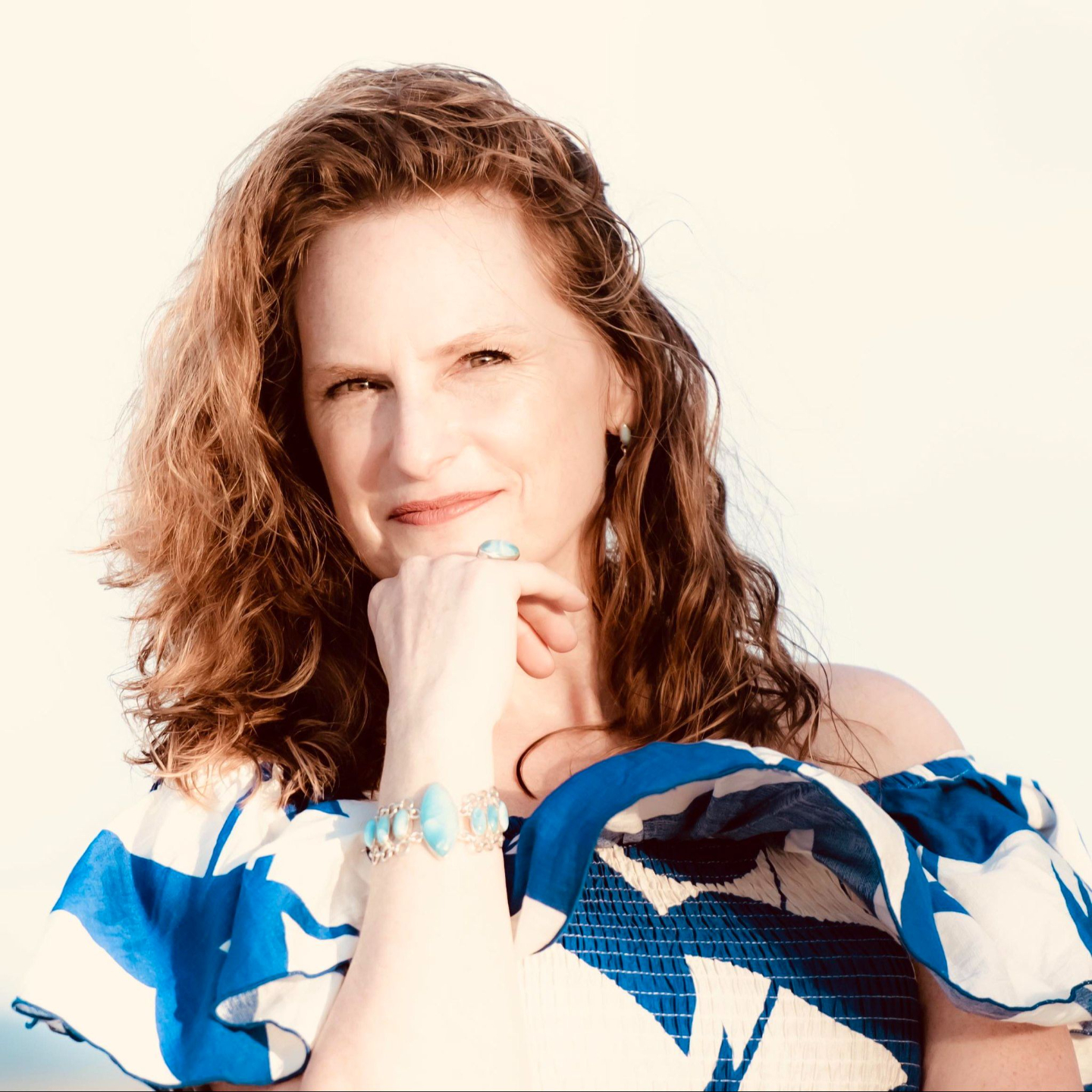
Dr Jennifer Huffman
The Neurodivergent Neuropsychologist's Guide to Reframing PDA: From Pathological Demand Avoidance to Pilot's Drive for Autonomy
More about Jennifer and her webinar
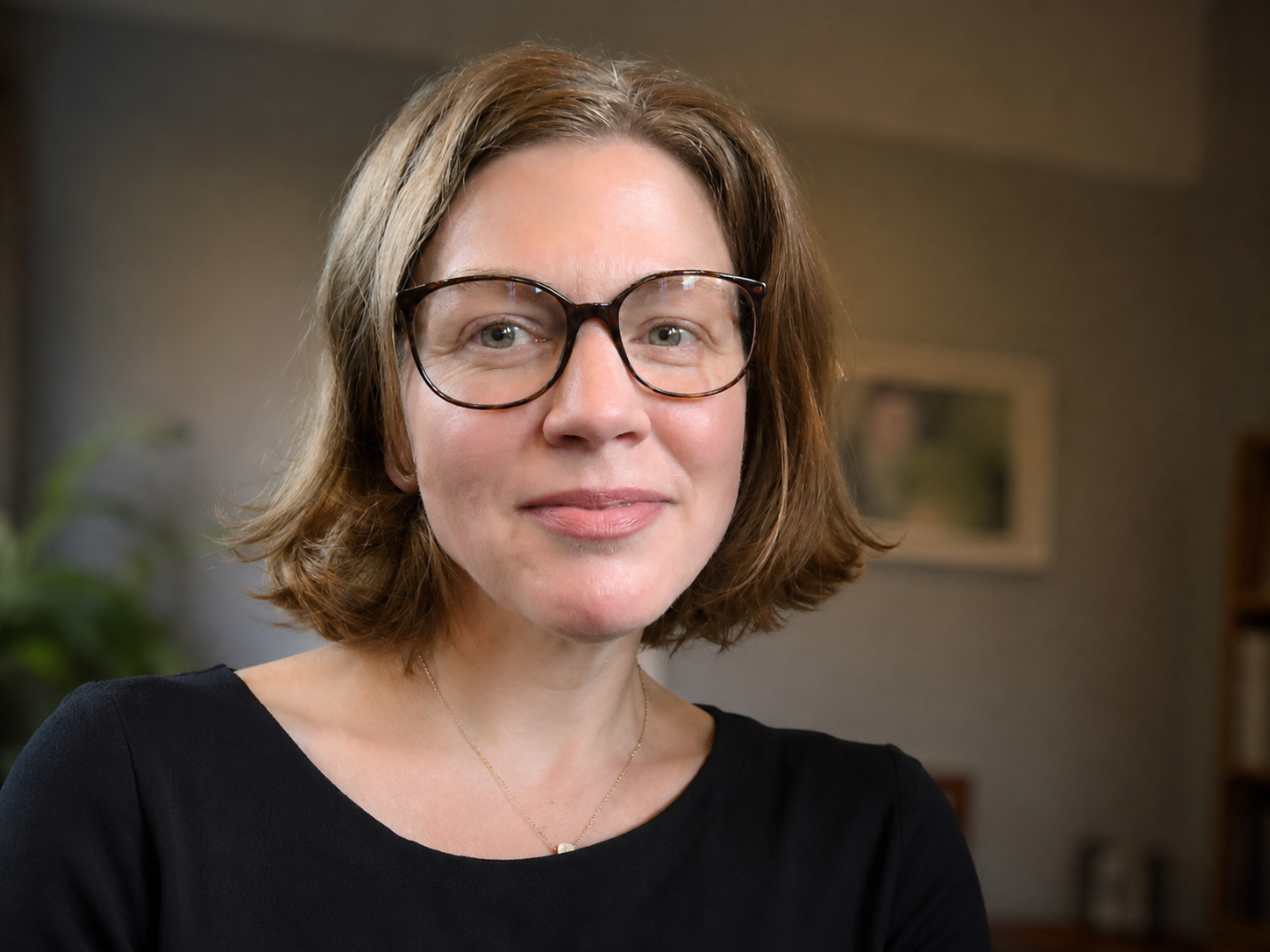
Dr Katherine Uher
Seeing the Whole Picture: PDA, Autism, Attachment, and Trauma
More about Katherine and her webinar
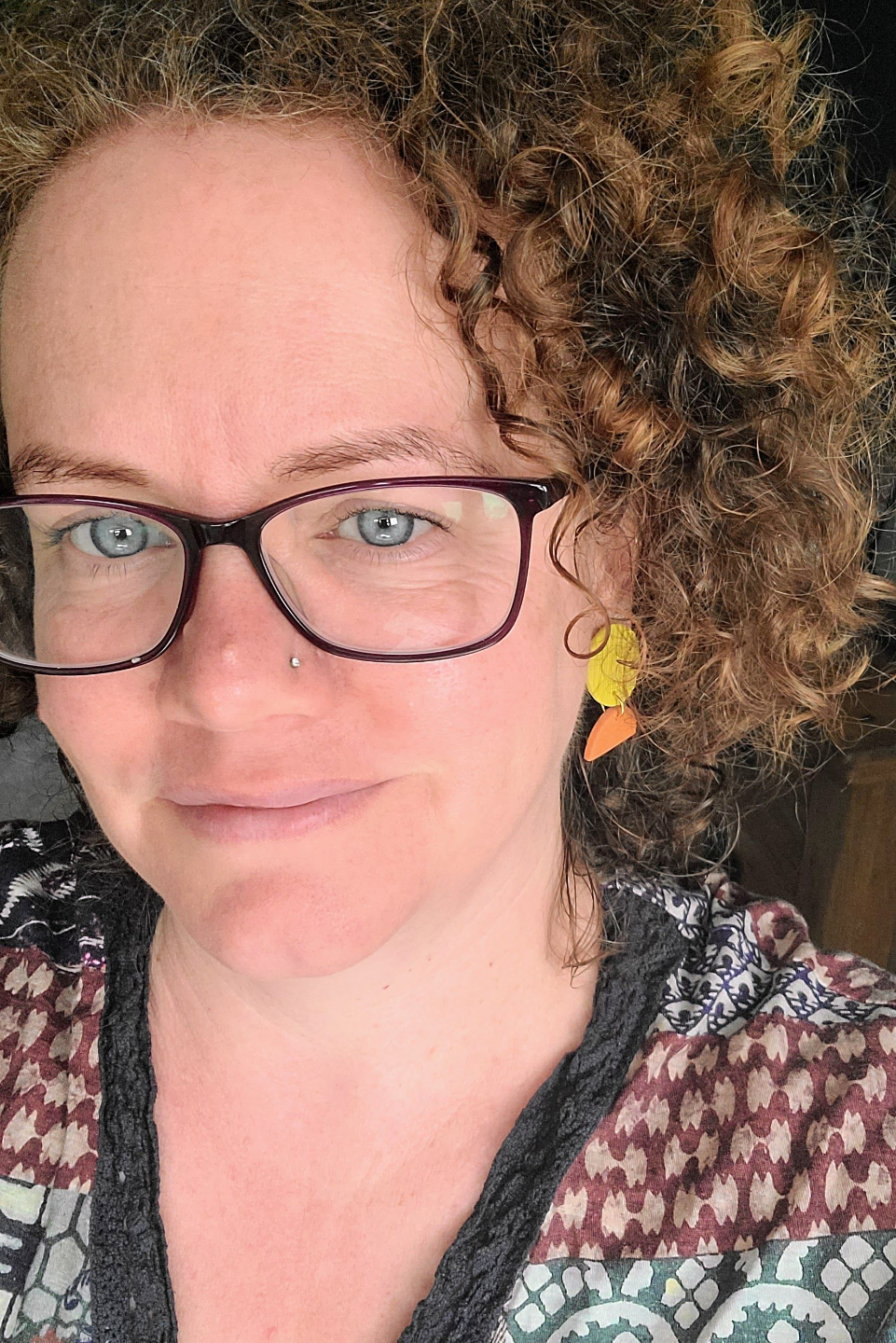
Heidi Steel
Low Demand Learning Outside the School System
More about Heidi and her webinar

Dr Ross Greene
Building Capability Starts with Understanding Capacity
More about Ross and his webinar
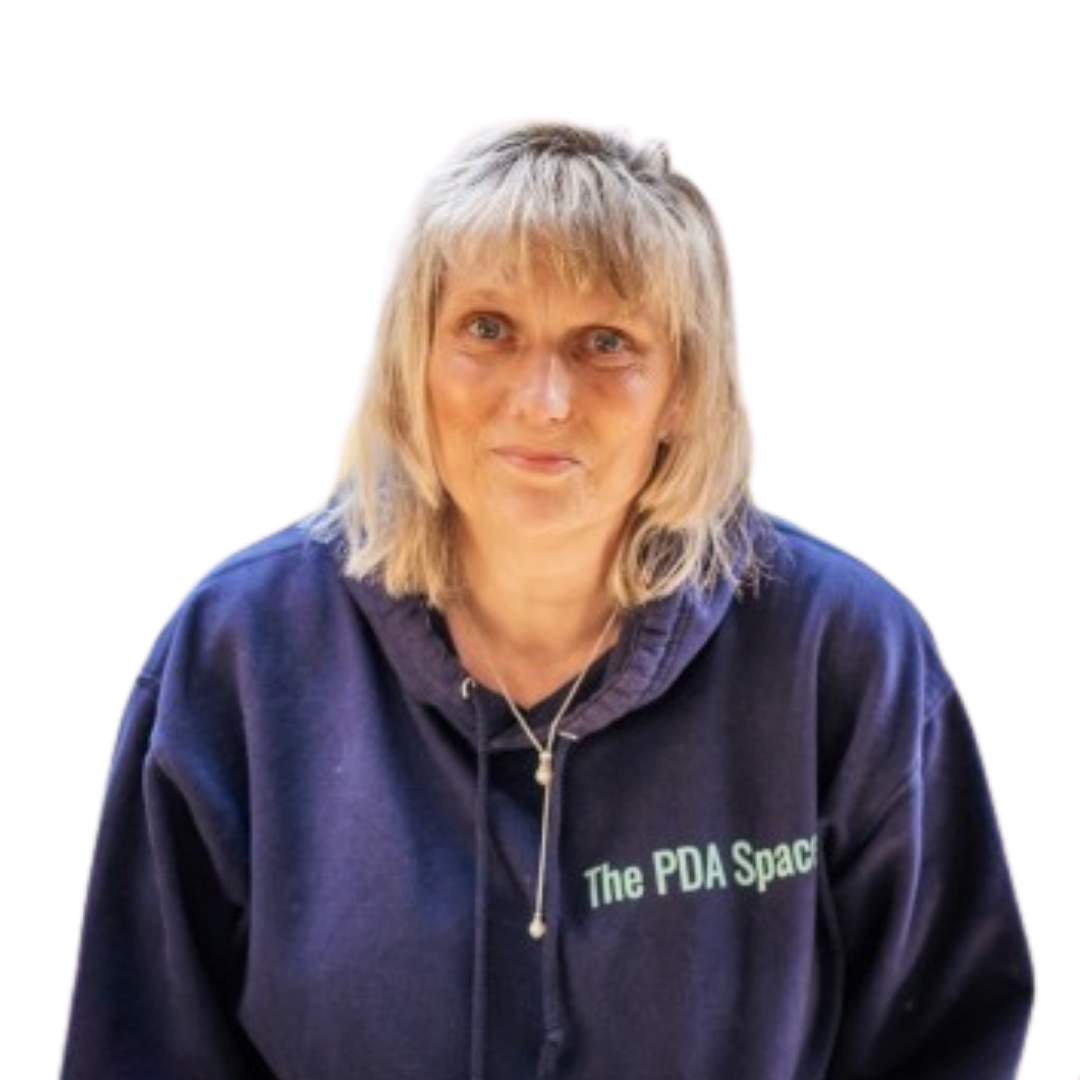
Nicola Reekie
Caring For Our Capacity
More about Nicola and her webinar
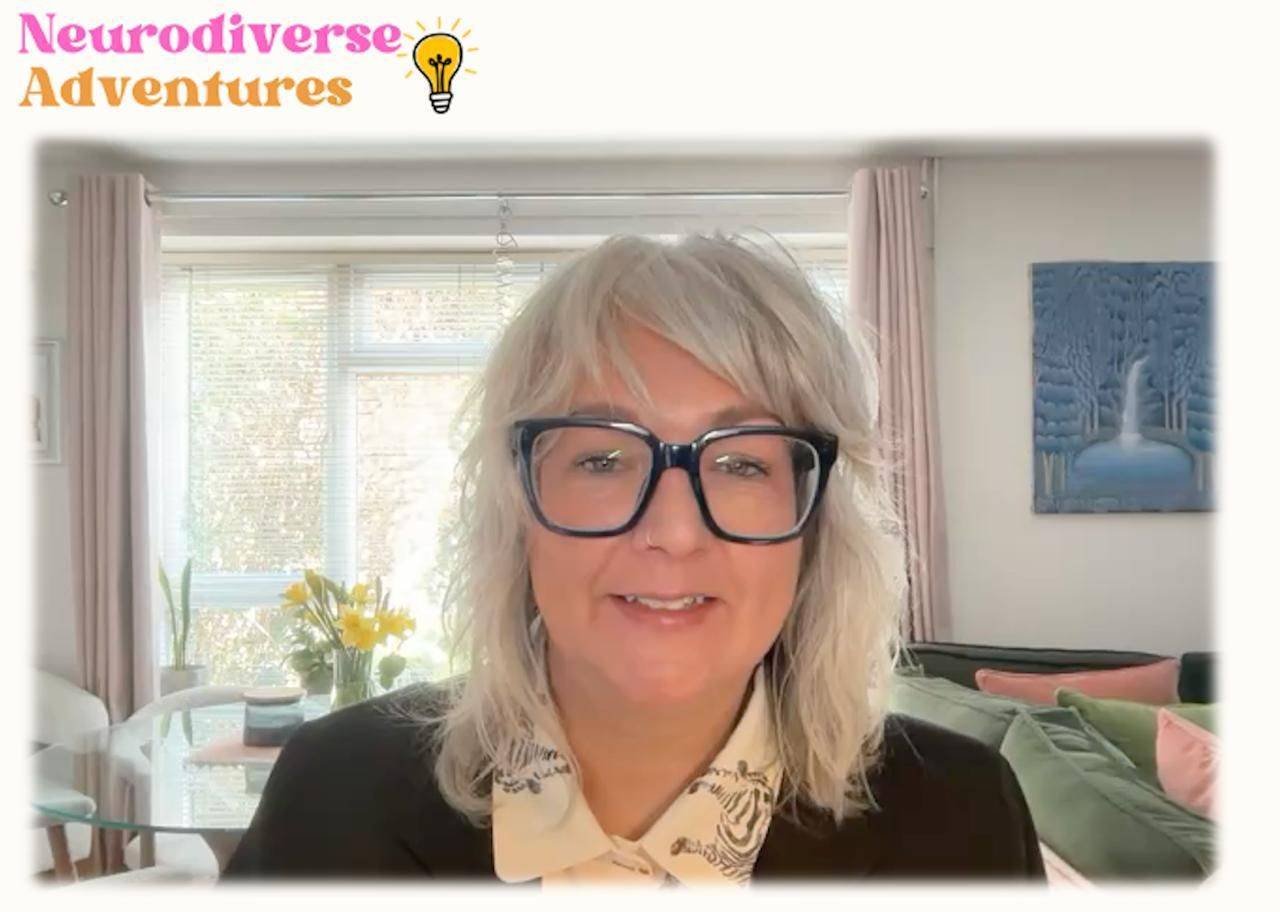
Amanda Maguire
Navigating Relationships When Your Partner Is Autistic With A PDA Profile
More about Amanda and her webinar

Dr Destiny Huff
Capability Without Capacity: Why “They Can Do It” Is Not the Same as “They Can Access It”
More about Destiny and her webinar
Julia Fiddian
When Care Doesn’t Feel Accessible: A PDA Adult’s Experience
More about Julia and her webinar
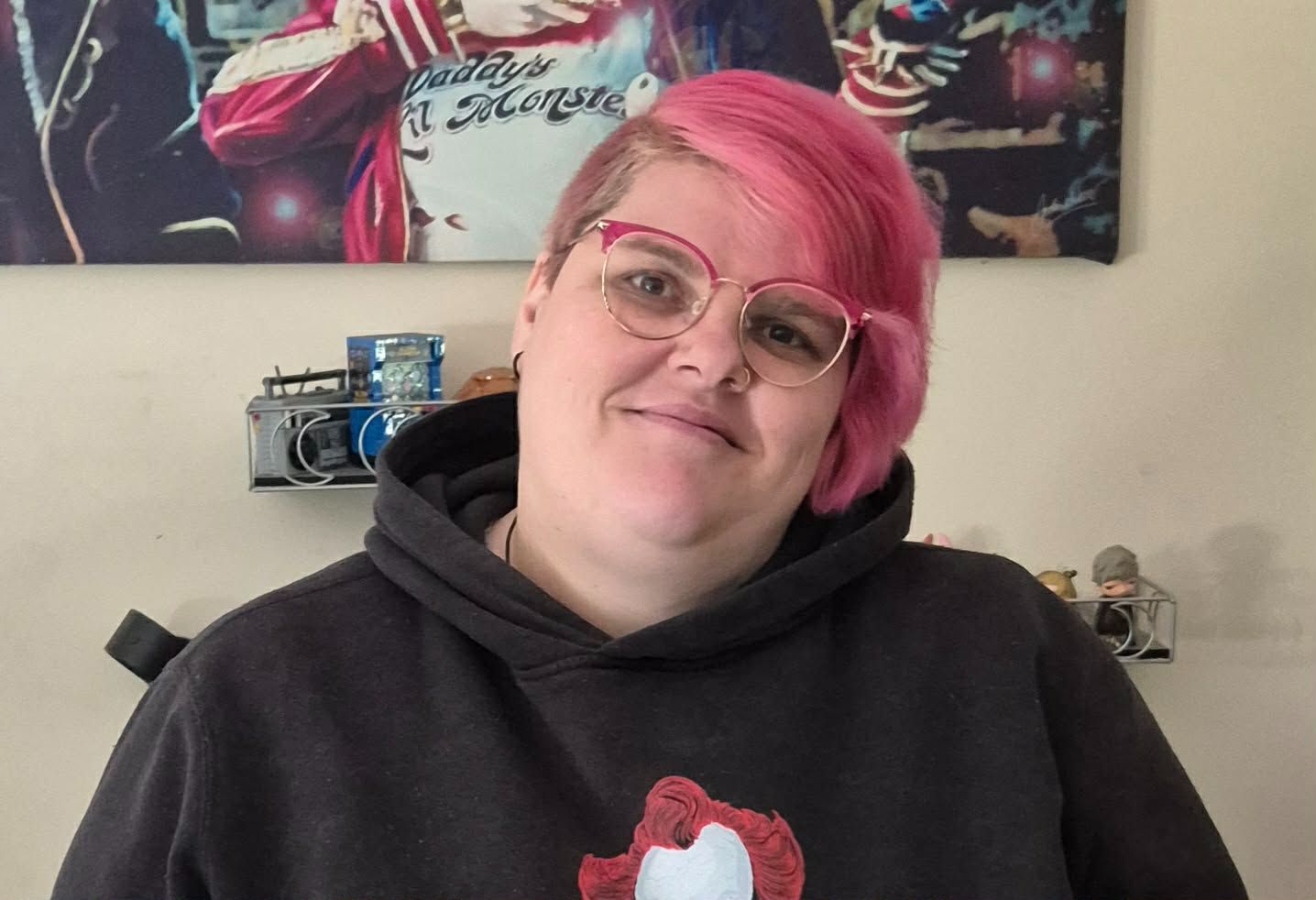
Lyndsay Critchlow
What Does Capacity Really Look Like?
More about Lyndsay and her webinar
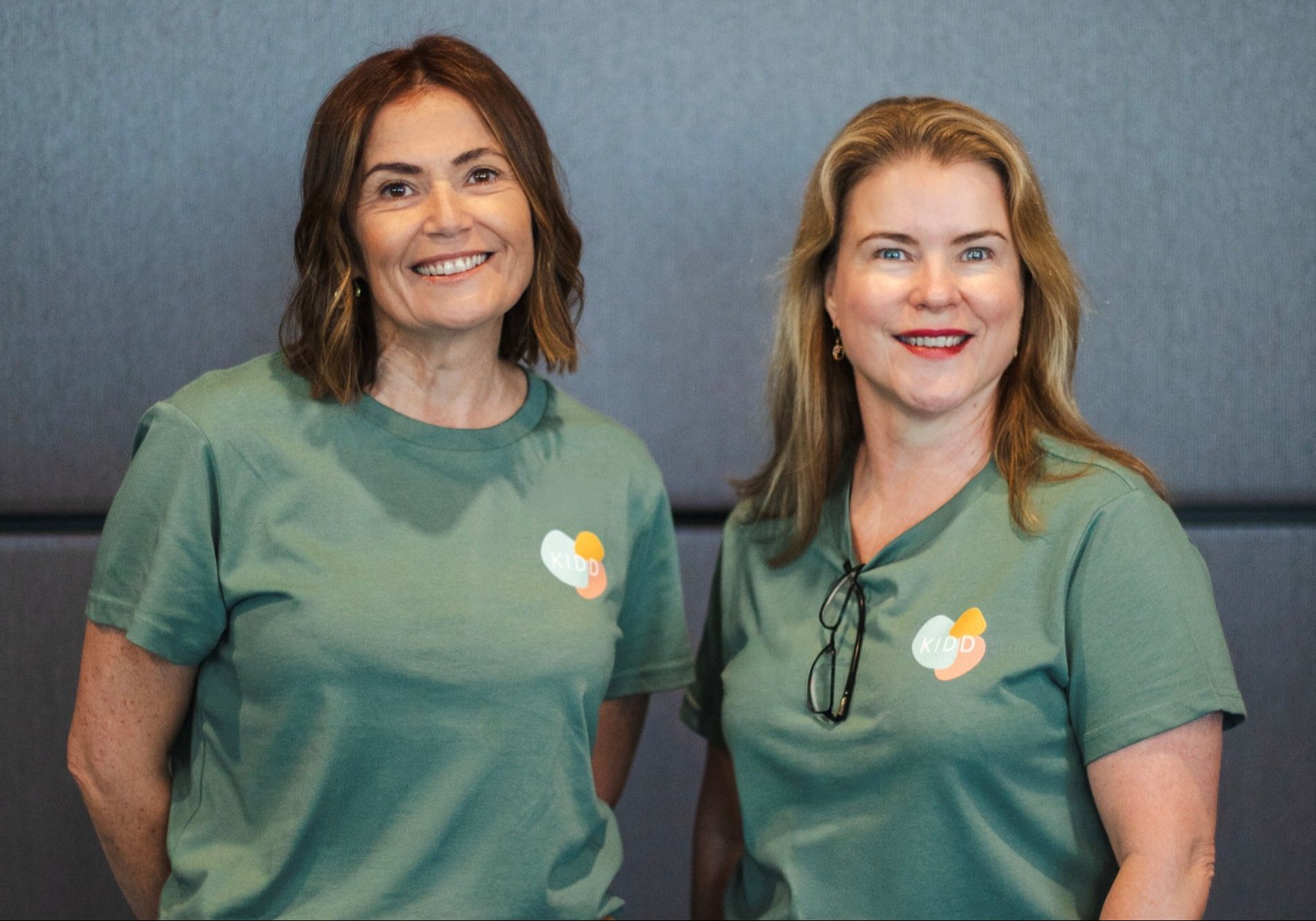
Dr Theresa Kidd and Melanie Turner
Living in Survival Mode: Understanding and Managing Burnout for PDA Adults.’
More about Theresa and Melanie and their webinar
Cathie Long
When Difference is Misread as Risk: Autism, PDA and Safeguarding:
More about Cathie and her webinar
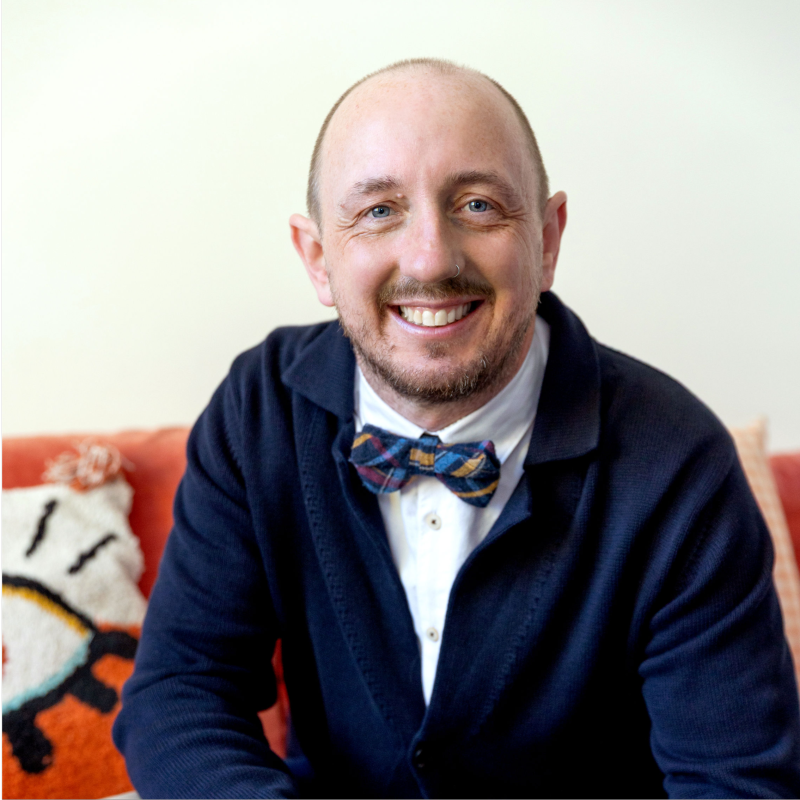
Rob Wakeling
Capacity Before Capability: Lowering the Demand So a PDA Learner Thrives
More about Rob and his webinar
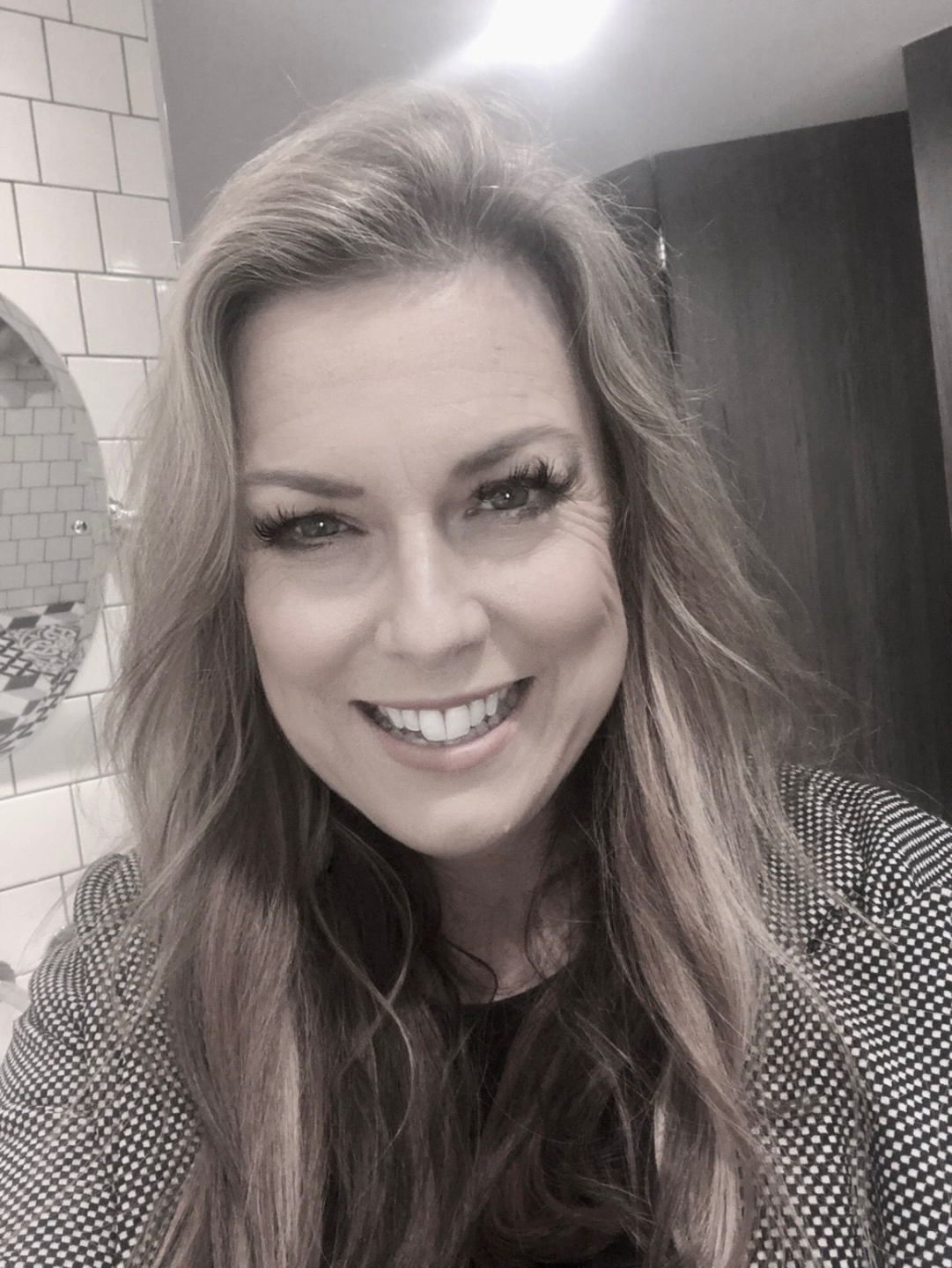
Libby Hill
My child can talk for England, but some days he doesn't say a word, at other times he just growls
More about Libby and her webinar

Duncan Casburn
A Father's Experience of Parenting a PDAer
More about Duncan and his webinar
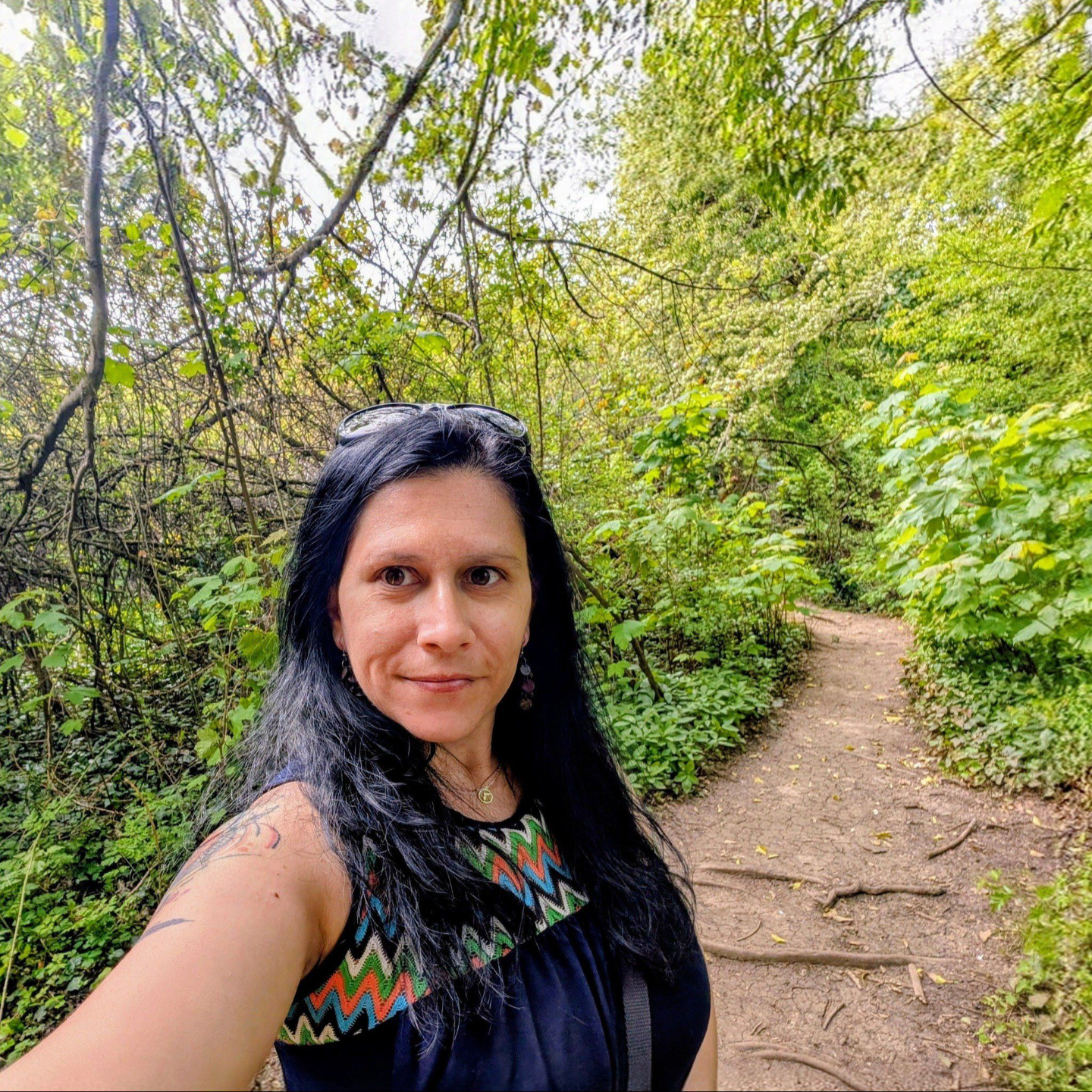
Teodora Byrne - NDWise Consulting
Who gets to decide what someone’s capacity is?
More about Teo and her webinar
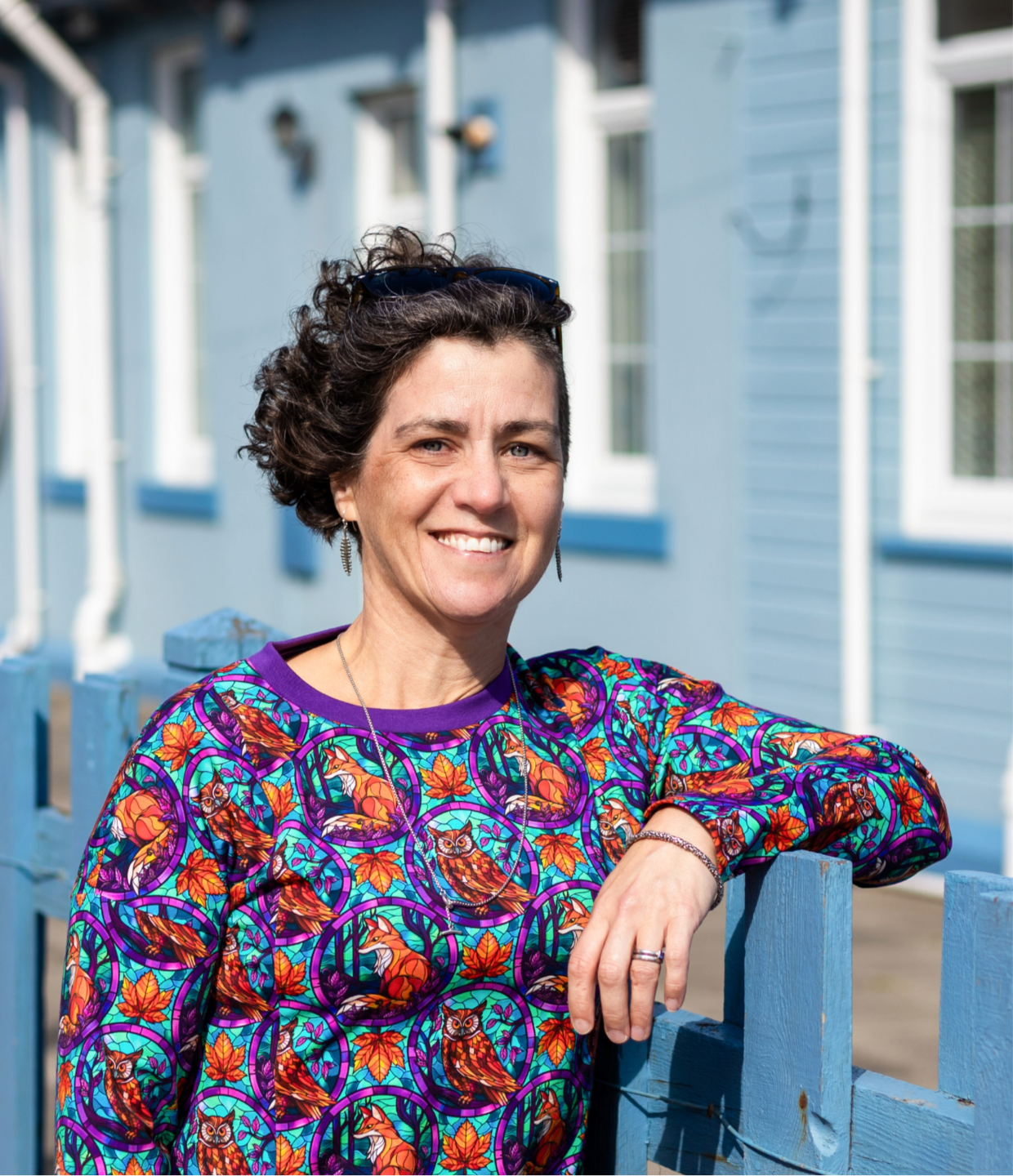
Charlotte Mountford
Badger Education - Fluctuating Capacity – Spoken about with ease but how deeply is it understood and how much does it impact our capabilities.
More about Charlotte and her webinar

Chris Bonnello
Self-Fulfilling Prophecies
More about Chris and his webinar

Sally Cat
Capacity and Internalised PDA
More about Sally Cat and her webinar

Nick Wood
Building the Capacity of Those Who Have PDA Through Emotional Wellbeing
More about Nick and his webinar
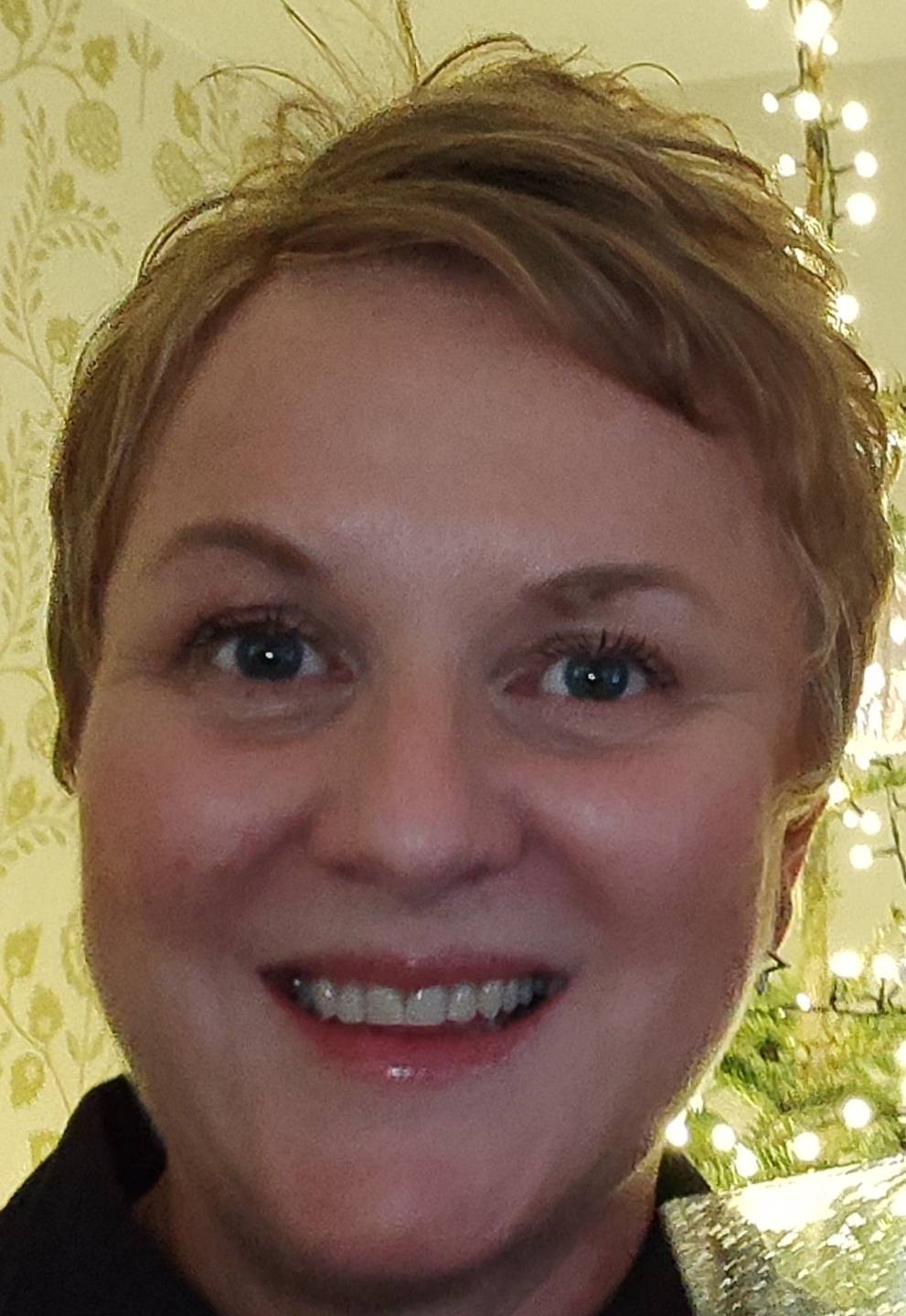
Paula Highnett
Finding Strength You Didn't Know You Had: Community, Connection and the Power of Belonging
More about Paula and her webinar
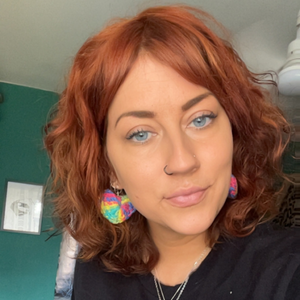
Michaela Silsby
Understanding Capacity as a Parent
More about Michaela and her webinar
Laura Hellfeld
Why They Can Eat It One Day and Not the Next: Understanding Fluctuating Capacity Around Food
More about Laura and their webinar
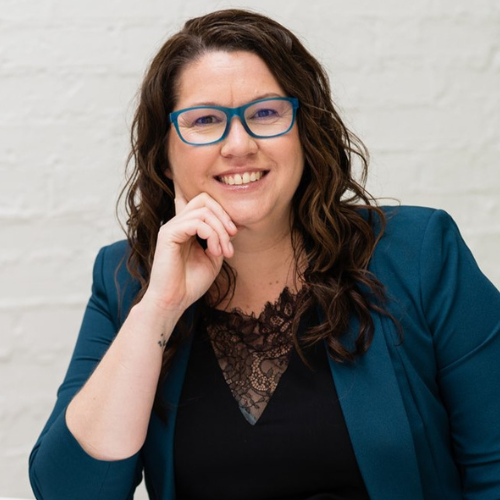
Christina Keeble
The Shifting Spaces of Safety: Growing Capacity
More about Christina and her webinar